
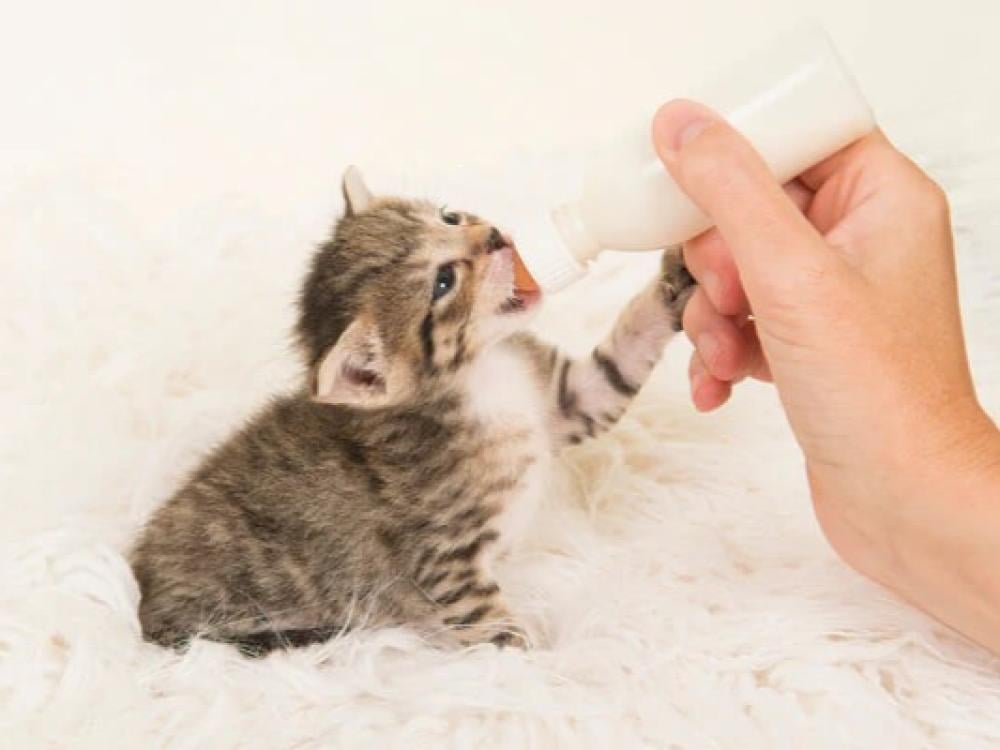
From the moment they are born, kittens depend entirely on special care and a complete diet to ensure their proper growth and healthy development. No nutritional source is more important than milk for kittens and infants during their first weeks of life. It is not just a nutritious liquid; it is their first dose of life, carrying the antibodies necessary to protect them from diseases.
But what happens when the mother is absent, or unable to breastfeed, or when an orphaned kitten is rescued? In this case, securing a suitable milk substitute specifically designed for kittens becomes imperative and necessary to save their lives.
This article will discuss the importance of kitten milk and how to choose the best milk substitute.
What is the importance of mother's milk (colostrum) for kittens and infants?
The best milk for kittens and newborns is their mother's milk. In the first few days after giving birth, the mother cat produces what is known as colostrum, a milk very rich in antibodies (immunological agents), proteins, fats, and minerals. Colostrum is essential for protecting the kitten from diseases and supporting its immature immune system.
- Mother's milk contains antibodies that transfer immunity from the mother to the kittens.
- It protects cats from diseases and infections during periods of weakened immunity.
- It contains immune cells and beneficial enzymes.
Basic nutritional needs of kittens:
The best milk for kittens and infants should contain a complete and balanced formula of vitamins, minerals and proteins to help kittens grow up healthy and strong.
It should be
Protein: from an animal source (cats are obligate carnivores), preferably exceeding 35% of the food content.
Most important and concentrated. Essential for muscle and tissue growth, antibody (immunity) building, and enzyme and hormone formation.
Fats: A primary source of energy. It provides twice the calories of protein and carbohydrates, vital for supporting the energy needed for activity and play. It aids in the absorption of fat-soluble vitamins (A, D, E, K) and supports brain and nervous system development.
Taurine: This essential amino acid is indispensable. Cats cannot produce it in sufficient quantities, and it is vital for heart health and vision. It should be included in cat food.
Calcium and phosphorus: They are essential for the proper and strong formation of bones and teeth. The ratio must be balanced (usually around 1.2:1 to 1.4:1) to ensure proper absorption.
Vitamins and minerals: A wide range that supports all vital functions. For example, vitamin D for bone health and B vitamins for metabolism. These should be included in a diet specifically formulated for growth.
Water: Most important. Essential for digestion, temperature regulation, and nutrient transport. Clean, fresh water should be available throughout the day. (Wet food helps increase hydration for the cat).
Why shouldn't cats be given regular cow's milk?
There is a common misconception that regular cow's milk is suitable for cats, but the truth is that most cats, especially after weaning, suffer from:
Lactose intolerance:
Lactase enzyme deficiency: After weaning, kittens do not produce enough lactase, the enzyme responsible for digesting lactose sugar found in cow's milk.
Digestive problems: When undigested lactose accumulates in the intestines, it ferments and leads to unpleasant symptoms that can be dangerous for infants, such as:
- Diarrhea and vomiting.
- Gas and stomach upset.
- Dehydration and malnutrition.
Therefore, kitten milk should be lactose-free.
Inappropriate nutritional composition:
Cow's milk:
30% less protein than cat milk
40% less fat
Lactose content is 50-60% higher
Cat milk:
Designed specifically for cats' needs
Rich in proteins and essential fats.
Mineral balance difference
Cow's milk contains unbalanced proportions of:
Calcium and phosphorus
Magnesium and potassium
Deficiency of essential elements:
Cow's milk lacks:
Taurine (essential for eye and heart health)
L-arginine (essential for the urea cycle)
Vitamin A and arachidonic acid
Health risks:
Indigestion and dehydration
Malnutrition and stunted growth
• Problems with bone growth
Metabolic disorders
Read also: What can kittens eat from household food without it causing them harm?
An alternative to kitten milk:
Kitten milk substitute: It is a specialized formula developed to feed kittens when mother's milk is unavailable and is vital for their survival and healthy growth.
Commercial milk substitutes are the ideal and safest option when breast milk is unavailable. These products, known as KMR (Kitten Milk Replacer), are scientifically designed to mimic the nutritional composition of a mother cat's milk.
Key features of a kitten milk alternative:
- Balanced formula:
It contains the right balance of proteins, fats, carbohydrates, vitamins, and minerals.
- DHA acid:
Rich in docosahexaenoic acid (DHA), an essential fatty acid that supports healthy brain and eye development.
- Easy to digest:
They are often lactose-free or very low in lactose, and made from easily digestible materials such as whey.
- Probiotics:
Some varieties are fortified with prebiotics and probiotics to support digestive and immune health. Lactose-free milk.
Examples of milk alternatives:
There are many commercial cat milk substitutes on the market, varying in form and composition. You should choose a lactose-free milk substitute rich in high-quality protein and essential fats. Don't neglect this aspect, as it is fundamental to your cat's health and proper growth. We will present you with the best milk for kittens and newborns.
Bevar Lactol: The best milk for kittens and newborns:
Basic components:
- Whey - a high-quality protein source
- Vegetable oils (palm oil, coconut oil) - a source of fats
- Minerals - Calcium, Phosphorus, Potassium, Magnesium
- Vitamins - A, D3, E, K, B Complex
- Amino acids - Taurine
Health benefits of Bivar Lactol
Integrated nutrition
- It provides all the nutrients necessary for growth
- Easy to digest and suitable for cats' sensitive intestines
- Specially designed for kittens from day one until weaning
Immune support
- Boosts the natural immune system
- It protects against infections and diseases
- Supports gut and digestive health
Growth and development
- Supports healthy bone and teeth growth
- It promotes muscle and tissue development.
- It helps in brain and nerve development.
Energy and activity
- It provides cats with the energy needed for growth.
- It helps in gaining weight healthily
- Maintains hydration and water balance
Preparation and use instructions:
Preparation:
Clean the bottle thoroughly before each use.
Add the powder to warm water (70°C)
Mix well until the powder is completely dissolved.
Cool to 38°C before feeding
Doses:
Cat age, frequency, quantity
Week 1, 8 feedings/day, 5-10 ml
Week 2, 6 feedings/day, 10-15 ml
Weeks 3-4: 5 feedings/day, 15-20 ml
Expected results
Healthy and stable weight for cats
natural and integrated growth
healthy digestive system
Strong immunity against diseases
Bevar Lactol is an excellent choice for caring for kittens who have lost their mothers, ensuring they receive the proper nutrition for healthy growth and development. Bevar Lactol Milk Replacement for Kittens
Read also: The best types of parrots with a comprehensive comparison between the most popular breeds
Royal Canin Baby Cat Milk Replacement for Kittens:
Royal Canin Baby Cat is the best milk for kittens and infants. It is a high-quality cat milk specially designed for kittens from day one until weaning. It is a complete nutritional solution that replaces mother's milk when necessary and is considered the best milk for kittens and infants.
Key ingredients and advanced formula
Basic components:
Whey protein - easily digestible
Vegetable oils (corn oil, coconut oil)
Prebiotic extract (Prebiotics MOS)
Omega-3 and Omega-6 fatty acids (EPA & DHA)
Taurine - essential for eye and heart health
A complete blend of vitamins and minerals
Health benefits and nutritional excellence:
Promoting digestive health
A natural probiotic that supports beneficial bacteria
It facilitates digestion and reduces stomach upset.
It prevents diarrhea and constipation.
Supporting brain and nervous system development
Omega-3 (DHA) is essential for brain development
Enhances cognitive functions and memory
Supports vision development and eye health
Strengthening the immune system
Antioxidants (Vitamin E, Selenium)
It boosts disease resistance
Supports antibody formation
Growth of strong bones and teeth
Ideal ratio of calcium and phosphorus
Vitamin D for better mineral absorption
Supports healthy structural growth
Preparation and use instructions:
Safe preparation:
1. Sterilize the bottle thoroughly before each use.
2. Add warm water (50°C) then the powder
3. Mix well until completely dissolved.
4. Cool to 38°C (cat's body temperature)
Suggested feeding schedule:
Cat's age, feedings/day, quantity/meal
1 week 8-10 feedings 2-4 ml
2 weeks 6-8 feedings 4-6 ml
3-4 weeks, 4-6 feedings, 6-10 ml
+5 weeks 3-4 feedings 10-15 ml
Expected results:
- healthy and stable weight
- Integrated and healthy growth
- strong immune system
- Easy digestion without complications
What are the most important types of lactose-free milk for cats?
There are two main types of lactose-free milk for cats:
- Commercial milk for kittens and babies (lactose-free milk) Sindi Cat & Kitten Milk 250ml
Usage: This product is intended as a supplement or treat for adult or weaned kittens, not as a complete replacement for mother's milk. Jim Cat Latte Calcium-Enriched Cat Milk 200ml
Features : It is easily digestible, contains added vitamins and minerals, and is a safe option to serve in moderation without causing digestive upset.
Important note: Avoid using lactose-free human milk, as some types may contain preservatives or added sugars that are not suitable for the digestive system of cats.
- Goat's milk for kittens and babies (natural alternative)
Features : Natural goat's milk is easier for cats to digest than cow's milk due to its lower lactose content and smaller fat molecule size. EGY SENCE Silver Goat's Milk Fortified with Calcium for Dogs and Cats 245ml
Usage: It is used in some commercial milk substitute formulations and can be adopted as a temporary alternative in emergency situations for kittens.
Emergency alternatives (which should not be used for extended periods):
If a commercial milk substitute is not immediately available, homemade recipes can be used very temporarily (for one day only), but it is essential to consult a veterinarian as soon as possible to obtain a suitable commercial substitute:
- Evaporated milk recipe: Unsweetened evaporated milk (small can) + one egg yolk.
- Goat's milk recipe: Goat's milk (preferably) + egg yolk + a little olive oil.
Warning : These recipes do not provide the complete and balanced nutrition necessary for the growth of a kitten, and should not be relied upon for a long period of time.
Basic nutrition guidelines:
- Temperature: Milk substitute should be served lukewarm, at body temperature (approximately 38°C). Do not serve it cold or hot.
- Feeding tools: Use feeding tools specifically designed for kittens, such as small bottles or syringes (without needles), to avoid the risk of milk entering the lungs. Seven Bird kitten feeding bottle.
- Seven Bird kitten feeding bottle with cleaning brush and three pieces
- The correct position: The cat should be fed while lying on its stomach, not on its back, to mimic the natural breastfeeding position.
- Weight and monitoring: The kitten should be weighed daily to monitor its growth and ensure that it is gaining weight regularly.
The importance of hygiene and sterilization when dealing with kittens:
Given the weak immune system of kittens and their complete dependence on external care, hygiene and sterilization are among the most important factors that ensure their survival and prevent the spread of serious bacterial and viral diseases.
Sterilizing feeding equipment: All feeding equipment (bottles, teats, syringes) must be thoroughly sterilized before and after each use, either by boiling or using a dedicated bottle sterilizer. Leftover milk ferments quickly and provides an ideal environment for bacterial growth, which can cause diarrhea and infections.
Handwashing: Anyone handling kittens should wash their hands thoroughly with soap and water before and after touching or feeding them to minimize the transfer of germs from the environment or other animals. Easy-to-use paper soap in a Seven Bird bear-shaped pouch.
Keeping your cat warm and dry: After each feeding, gently wipe away any milk residue around your cat's mouth with a warm, damp cloth, and dry the area thoroughly to prevent skin irritation and bacterial growth. Biolin Ideal Cat & Dog Wet Wipes 30pc
Changing the bedding: The bedding and towels that kittens sleep on should be changed daily to maintain a dry, clean, and waste-free environment. Seven Bird Cat and Dog Bedding Set, 20 pieces.
When and how do kittens start eating solid food?
The weaning process for kittens typically begins between four and five weeks of age, a crucial transitional period that requires patience and monitoring. During this time, solid food should be introduced gradually while continuing to provide milk replacer.
The beginning (from week 4): Start by offering a warmed commercial milk replacer mixed with Purina wet kitten food (canned) such as Chicken Pieces in Jelly 85g, a high-quality kitten food. The meal should have a very soft, lickable consistency.
Permitted foods: Solid food should be limited to wet or dry (wet) kitten foods specifically formulated for kittens (Kitten Formula). These foods are rich in protein, fat, and calories to support rapid growth. Purina dry kitten food with chicken is an option.
To increase the consistency: Gradually reduce the amount of milk while increasing the amount of canned food until the consistency becomes soft food and not liquid.
Providing water: Begin by offering a shallow dish of fresh, clean water at this stage, ensuring it is easily accessible. Seven Bird 2.5L Stainless Steel Automatic Water Fountain for Cats and Dogs
Warning : Avoid feeding kittens any household food or human food scraps, as their nutritional needs are very specific, and some common foods (such as garlic and onions) are toxic to them.
Read also: What can kittens eat from household food without it causing them harm?
Important tips for caring for kittens and newborn kittens:
Early socialization:
The period between the second and seventh weeks is the golden window for developing the cat's personality.
Gentle daily handling: The cat should be held and handled gently for at least 5 minutes each day. This helps it get used to human touch and reduces its fear in the future.
Controlled noise exposure: Gradually expose your cat to small amounts of normal household sounds (vacuuming, phone ringing, television). This will prevent it from becoming fearful and panicky of noise in adulthood.
Getting to know the environment: Allow her to explore safe, supervised areas around the house once she starts moving around (about 3-4 weeks); this builds her self-confidence.
Massage and sensory development:
Massage for comfort: Instead of relieving yourself, gently massage your cat's belly and back while holding her. This mimics maternal touch and helps her feel safe and secure. Trixie Grooming Glove for Cats and Dogs for Brushing and Massaging Hair
Examination of limbs and mouth: Begin by gently training the cat to touch its ears, paws, and toes. This is essential for easier nail trimming, veterinary checkups, and teeth cleaning as it grows.
Instructions on how to use a waste bin:
Early start (Week 4): Once weaning has begun, provide a very shallow open litter box with high edges and a Seven Bird scoop (makes it easy for her to get in and out).
Suitable litter: Use unscented, non-clumping litter. Seven Bird 6L high-clumping litter made from natural materials for cats. Clumping litter is dangerous for kittens if swallowed.
After meals: Put the cat in the litter box after each meal and after it wakes up. It learns instinctively; you just need to put it in the right place.
Focus on dental and gum health:
Teething stage: Kittens' milk teeth usually start to erupt around 3-4 weeks of age. You can offer safe, kitten-friendly chew toys to help with teething and reduce gum pain.
Brushing your cat: Once teeth erupt, start getting them used to having their gums brushed with a small cat toothbrush or a piece of gauze wrapped around your finger; this lays the foundation for a lifelong dental routine. Biolin Cheese Cat Toothpaste 50g
In conclusion
Now that you understand the vital importance of milk for kittens and newborns, why colostrum is the first line of defense against lactose intolerance, and the risks of cow's milk, you're better equipped to make informed decisions about your kitten's health and care. This article has provided a comprehensive guide to kitten milk, including how to choose the best commercial kitten milk alternatives like Bevar Lactol and Royal Canin, emphasizing the importance of lactose-free milk for proper digestion and healthy growth. Remember that daily weight monitoring, hygiene, and a proper feeding schedule are key to raising these vulnerable creatures into healthy, happy adult cats.
The most frequently asked questions about milk for kittens and babies:
What is the most important sign that a kitten is getting enough nutrition?
The most important sign is regular daily weight gain, which should range between 10 and 15 grams per day in the first few weeks. Weight is considered the most important indicator because it can be tracked daily and is one of the first signs that appear in cats when there are feeding problems.
A deep, restful sleep for your cat is also a very important indicator that it is getting the nutrition and care it needs.
What is the first warning sign that a kitten is sick?
Extreme lethargy or continuous crying, refusal to nurse for more than two consecutive feedings, and a drop in body temperature are signs that require immediate veterinary intervention.
What is the most important period for socializing a cat, and what does it include?
The critical period between the second and seventh weeks is considered the golden window for proper socialization of kittens, as their nervous system is at its peak of flexibility and readiness to accept new experiences.
It includes:
- Interacting with people daily is pleasant for getting used to different touches and human voices.
- Interact with other cats so they learn cat body language, learn to curb their biting, and play gently with other cats.
- Getting used to daily grooming (combing the fur, trimming the nails, cleaning the ears, brushing the teeth)
What is the appropriate age for the first veterinary check-up and deworming?
It is preferable to have the first veterinary examination within the first 24 hours upon notification to undergo a comprehensive and complete examination, detect and treat any diseases or disorders before it is too late, and to ensure that your cat is in good health and you can start putting in place a suitable feeding and care system.
Worm treatment: 2-3 weeks of age, repeat the examination every two weeks until 8 weeks of age.
When should a cat get its first basic vaccination?
The kitten should usually receive its first dose of basic vaccinations between 6 and 9 weeks of age.
This dose is the beginning of a series of necessary vaccinations. One dose is not enough; booster doses must be given every 3 to 4 weeks until the animal reaches 16 weeks of age.
The final (third) dose at 14 to 16 weeks of age is crucial to ensuring the development of effective and lasting immunity.
Important note: You should always consult your veterinarian to determine the exact schedule that is appropriate for your cat based on its health condition and history.